
Key paperwork for a smooth and legal home sale
Documents Needed to Sell Your House
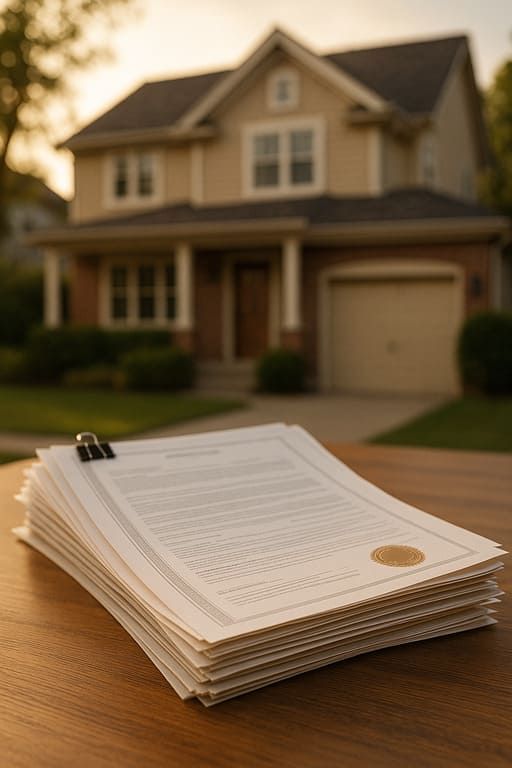
When it comes to selling your property, knowing the documents needed to sell your house is not just helpful—it’s essential. The right paperwork protects you legally, reassures buyers, and speeds up the entire sales process.
Why Proper Documentation Is Critical
Selling your house is a legal transaction, and any missing paperwork can stop it in its tracks. Here’s why having your house selling paperwork ready is crucial:
- Avoid legal disputes: Missing permits or outdated certificates can lead to costly complications.
- Inspire buyer confidence: Organized documentation makes you look professional and trustworthy.
- Speed up closing: The faster you deliver your documents, the sooner you can finalize the sale.
Essential Legal Documents
Here are the must-have legal documents for home sale:
- Title Deed (Proof of Ownership): Confirms that you are the rightful owner and can legally sell the property.
- Sales Agreement: A contract outlining the terms and conditions agreed upon with the buyer.
- ID Verification: Copies of valid identification for all sellers listed on the deed.
- Power of Attorney (if applicable): Required if someone else is handling the sale on your behalf.
Related: How to sell your house without an agent
Certificates and Permits
Depending on your location, additional documents may be required:
- Energy Performance Certificate (EPC): Shows the property's energy efficiency rating.
- Occupancy Certificate: Proves that the property complies with building regulations.
- Planning Permission or Compliance Certificates: Ensures that any renovations or extensions are legal.
Financial Paperwork
Financial transparency is just as important as legal compliance. Your sell house checklist should also include:
- Mortgage Statement: Confirms any outstanding balance or if the property is mortgage-free.
- Tax Receipts: Demonstrates that all property taxes are paid up to date.
- Utility Bills: Ensures there are no unpaid charges for electricity, water, or gas.
- Deposit Agreements: Proof of any buyer deposits already received.
Related: Common mistakes when selling your home
Complete Document Checklist
- Title deed
- Sales agreement
- ID verification
- Power of attorney (if needed)
- Energy performance certificate
- Occupancy certificate
- Planning or compliance permits
- Mortgage statement
- Tax receipts
- Utility bills
- Deposit agreements
How to Prepare Everything in Advance
- Create a document folder: Keep physical and digital copies for easy access.
- Verify validity: Check if any certificates need renewing.
- Consult a professional: A real estate lawyer can identify missing paperwork.
- Prepare extra copies: Buyers and notaries may request duplicates.
Common Document-Related Mistakes
- Forgetting to renew an expired certificate.
- Not disclosing outstanding utility bills.
- Assuming verbal agreements are enough.
- Overlooking municipal compliance for renovations.
FAQ – Documents Needed to Sell Your House
Can I sell my house without a title deed?
No. The title deed is the most important document for any property sale. Without it, you cannot legally transfer ownership.
What if I lost my occupancy certificate?
You can request a duplicate from your local municipality. It’s better to do this before listing your property.
Do I need an energy performance certificate to sell my house?
Yes, in most regions it’s a legal requirement and must be provided to the buyer before completing the sale.
How long does it take to gather all the documents?
If everything is up to date, it can be done in a few days. However, retrieving missing documents may take several weeks.
Ready to sell your home? Make sure you have every document needed to sell your house in order and avoid delays.